About Mirtunjaya VitalEdge Network
Mritunjaya VitalEdge Network is a non-profit initiative dedicated to advancing critical care in Nepal through cutting-edge training, research, and compassionate healthcare, empowering professionals and communities to save lives.
Our Mission
Mritunjaya VitalEdge Network, inspired by Lord Shiva's divine compassion as Mritunjaya (Conqueror of Death), operates as a profit-not-distributing entity under Nepalese law to advance critical care medicine and promote healthcare welfare. Our mission is to empower healthcare professionals through cutting-edge training in Basic Life Support (BLS), Advanced Cardiovascular Life Support (ACLS), Pediatric Advanced Life Support (PALS), Advanced Burn Life Support (ABLS), and Basic and advanced Burn Care, while driving research and evidence-based practices.
We foster collaboration with national and international health organizations, government bodies, and institutions to elevate clinical standards, develop standardized protocols, and ensure healthcare equity across Nepal. All income from membership fees, donations, and grants (subject to Social Welfare Council approval) is reinvested to achieve our objectives, with administrative expenses capped at 20% of total expenditures to comply with legal mandates.
Our Objectives
At Mritunjaya VitalEdge Network, our objectives are centered on strengthening Nepal’s healthcare system through training, research, and collaboration. Each goal reflects our commitment to advancing critical care medicine, standardizing practices, and ensuring equitable, high-quality care nationwide.
Provide standardized, high-quality training in BLS, ACLS, PALS, ABLS, and Basic and advanced Burn Care to doctors, nurses, and allied health professionals, enhancing critical care capabilities across Nepal’s healthcare system.
Support and conduct research in critical care medicine through partnerships with hospitals, academic institutions, and health organizations, contributing to global medical knowledge and local solutions.
Disseminate global research, innovative treatment methodologies, and evidence-based practices, recommending standardized critical care protocols to the Government of Nepal for integration into public health systems.
Collaborate with governmental, non-governmental, and private entities, as well as international organizations (with SWC approval if required), to align training and research with global best practices and strengthen Nepal’s healthcare network.
Establish and maintain digital patient data registries from hospitals to support research, enhance treatment outcomes, and inform evidence-based policy development in critical care.
Provide healthcare management for critically ill patients, including burn survivor children, and raise awareness about burn injury prevention,prioritizing economically disadvantaged communities.
Promote professional development and innovation within Nepal’s medical community through workshops, seminars, and mentorship, supporting young researchers to advance critical and pediatric care.
Operate within Nepal’s legal frameworks, holding Annual General Meetings within six months of fiscal year-end, submitting audit reports, and adhering to the Office of the Company Registrar’s requirements while pursuing tax-exempt status.
Partner with local authorities and healthcare facilities to develop robust emergency response infrastructure, deploying trained personnel and equipment to underserved regions of Nepal.
Engage with government bodies to integrate evidence-based critical care practices into national health strategies, driving sustainable improvements in healthcare delivery.
Offer scholarships and training programs for healthcare professionals from economically disadvantaged backgrounds, fostering a skilled and equitable critical care workforce.
Implement public education campaigns on emergency care, burn prevention, and pediatric health to empower communities, reduce preventable morbidity, and support the organization’s mission.
Our Team
A diverse group of doctors, nurses, researchers, and professionals united to advance critical care in Nepal through compassion, innovation, and collaboration.
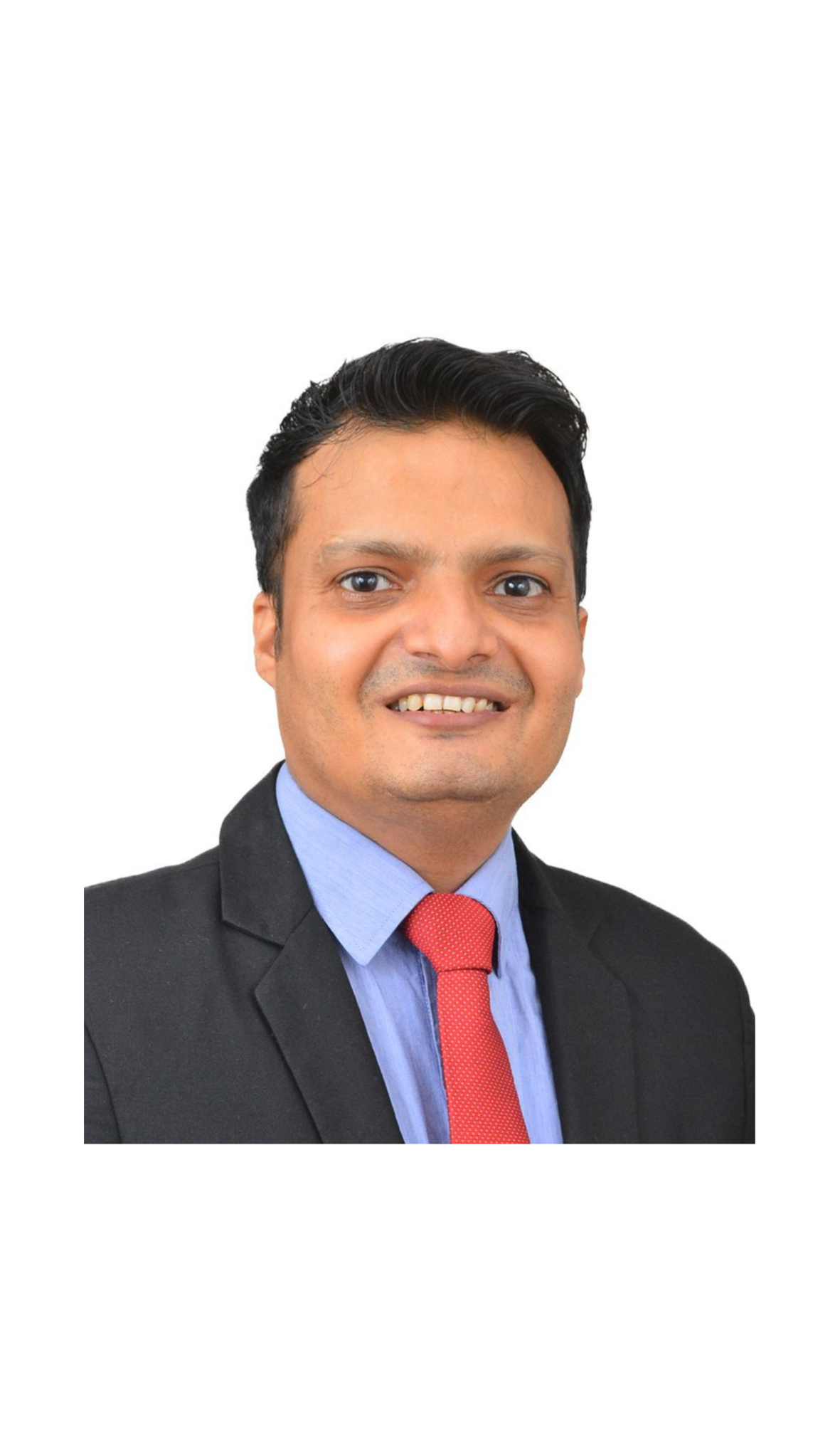
Dr. Raju Bhandari
President
General, Burn and Reconstructive Surgeon, Surgical Critical Care Specialist
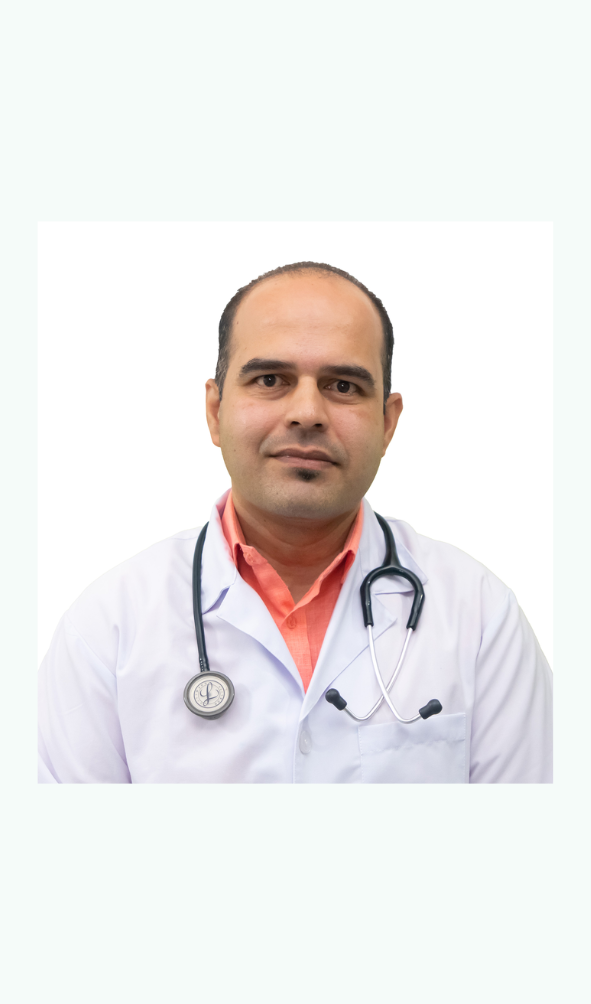
Dr. Rohan Jha
Vice President
Emergency physician advancing emergency response and life-saving protocols.

Dr. Shreedhar Khanal
General Secretary
Pediatrician ensuring child health and vulnerable care priorities.
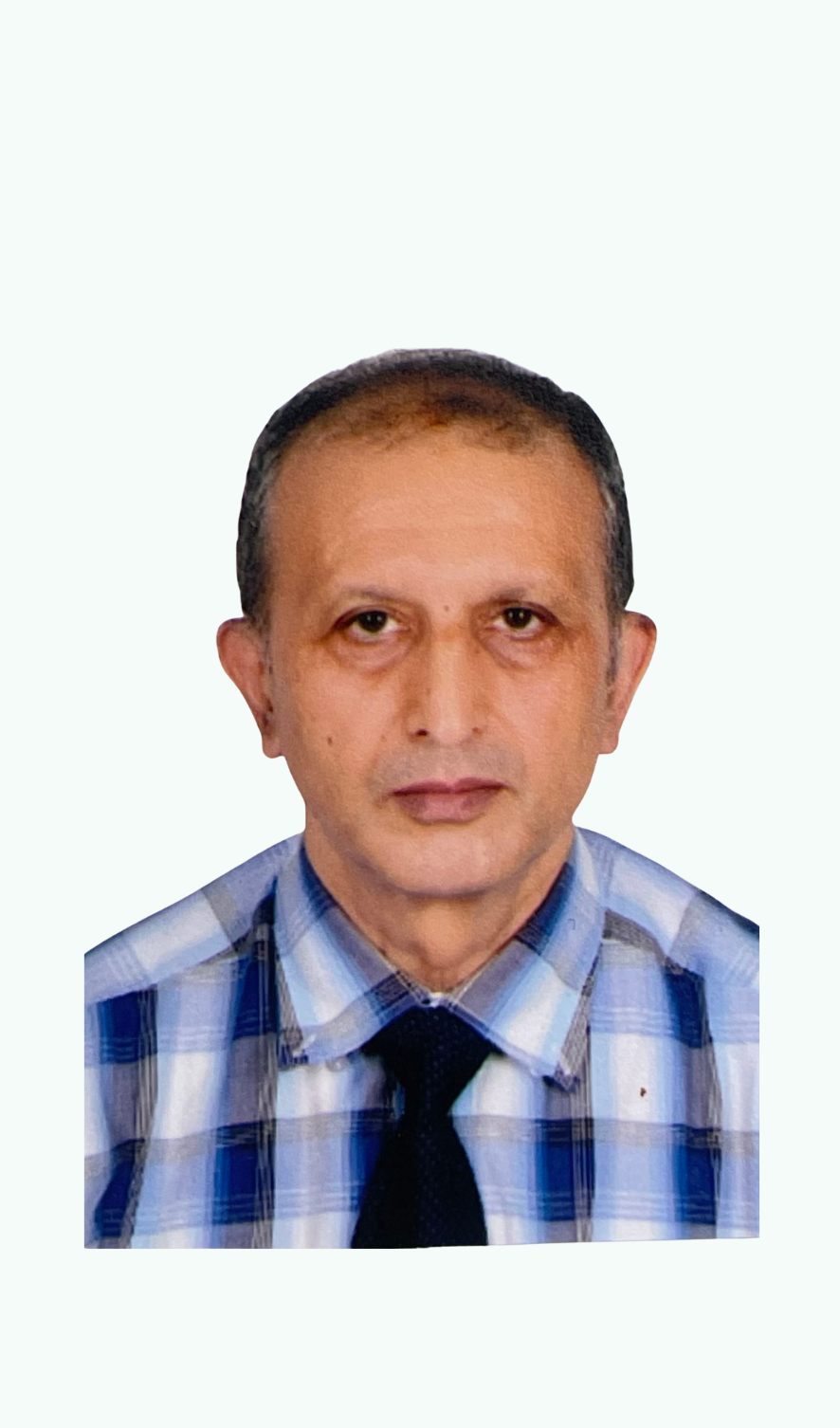
Prof. Dr. Ishwar Lohani
Chief Advisor
Professor of Burns, Plastic and Reconstructive Surgery

CA Ananda Adhikari
Treasurer
Chartered Accountant ensuring transparency and sustainable fund management.
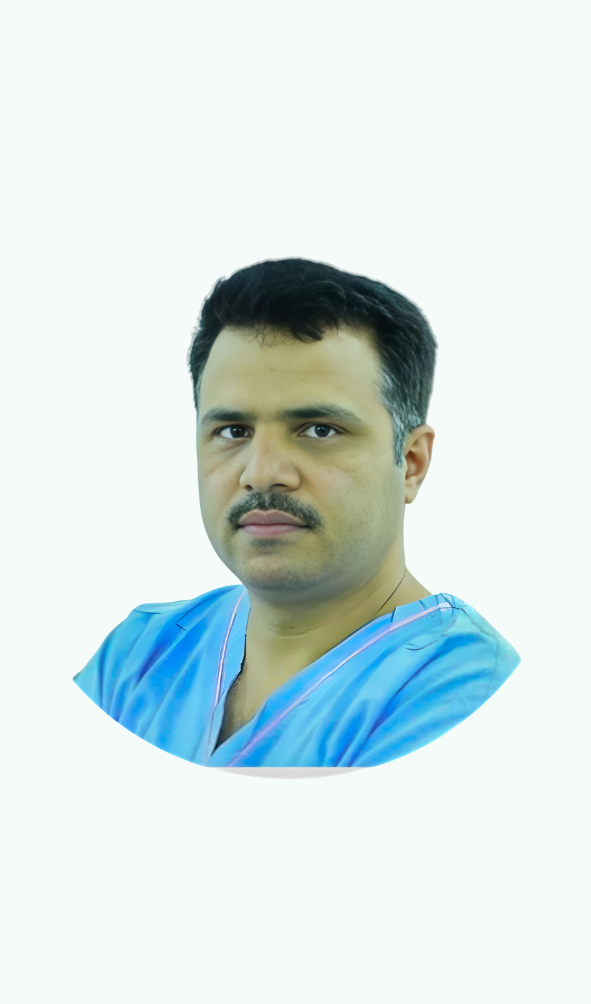
Dr. Abhishek Bhattarai
Advisor
GI surgeon and associate professor guiding strategy and medical standards.

Seema Subedi
Member
PhD scholar driving research, education, and academic leadership.
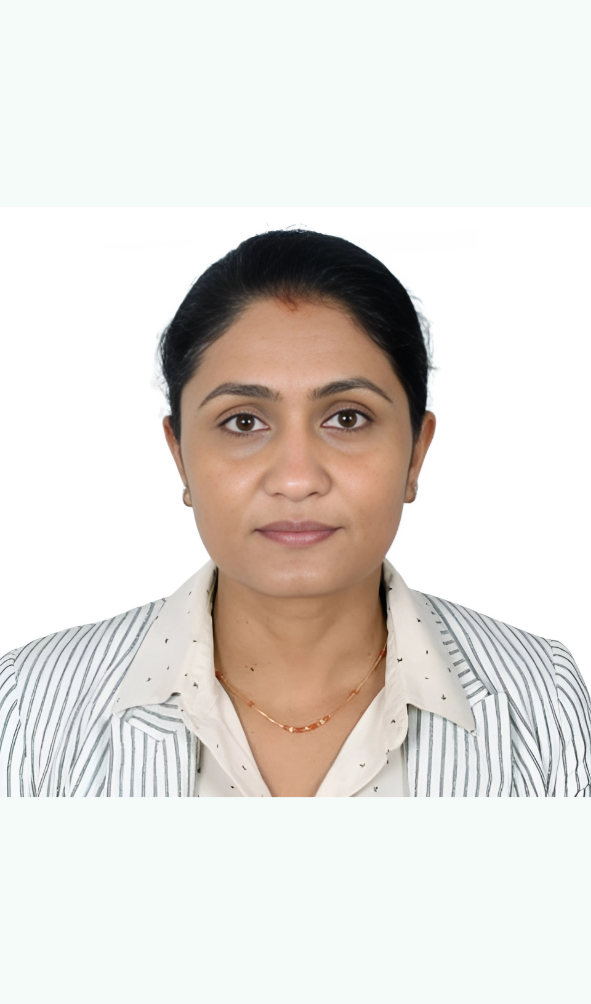
Sindhu Gautam
Member
Senior nurse advocating nursing excellence and frontline clinical care.

Bhabishwar Khanal
Software Engineer
Software engineer building digital platforms, registries, and outreach systems.